
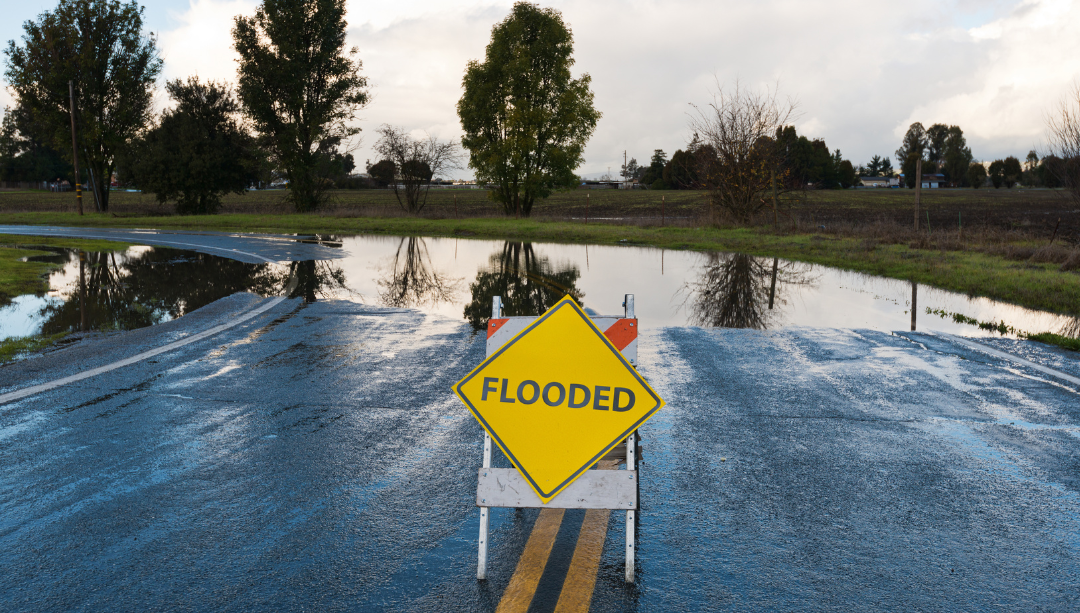
Storms don’t have to be hurricanes to cause major damage.
From flash floods to tropical storms, the Southeast is seeing more frequent and more intense weather events—putting stormwater management and wastewater systems under serious pressure.
At Swain Utility Group, we work with neighborhoods, cities, and businesses to help prepare infrastructure that keeps water flowing where it should—and out of places it shouldn’t.
So what is stormwater management, why does it matter, and how do you know if your system is ready for the next big storm? Let’s break it down.
Stormwater vs. Wastewater: What’s the Difference?
We get this question a lot—and for good reason.
- Stormwater is rain runoff: water that flows over streets, driveways, and parking lots. It’s managed through catch basins, ditches, swales, and storm drains.
- Wastewater is everything that goes down the drain: toilets, sinks, showers, and dishwashers. It’s handled by septic systems or sewer treatment plants.
Stormwater management matters—especially during storms.
Why? Because if either your stormwater or wastewater system fails—or worse, if they mix—you could be facing sewage backups, flooding, environmental contamination, or even a full system collapse.
When Systems Fail: What Can Go Wrong
When stormwater and wastewater systems fail at the same time—as they often do during major storms—the result is widespread service disruption, environmental contamination, and costly cleanup for everyone involved.
For Municipalities:
- Stormwater overflows flood streets and damage infrastructure
- Wastewater plants get overwhelmed by infiltration from stormwater
- Power outages take pump stations offline, leading to backups or overflows
- Combined systems (or those with outdated infrastructure) fail under pressure

For Homeowners:
- Septic drain fields get saturated, causing surface pooling or backups
- Stormwater drains get clogged, flooding driveways and basements
- Heavy rain forces untreated sewage into yards, streets, or nearby waterways
What You Can Do—Before the Storm Hits
For Municipalities:
- Conduct I&I (Inflow and Infiltration) assessments: Identify where stormwater is leaking into sewer lines
- Flush and inspect storm drains: Clean catch basins and remove blockages
- Check backup generators: Especially at lift stations and treatment plants
- Train teams on emergency protocols: Everyone should know what to do if systems overflow
For Homeowners:
- Inspect & maintain your septic system: Pump if needed, and check for cracks or signs of wear
- Clear debris from storm drains: Leaves and trash can block runoff, flooding your property
- Direct downspouts away from your drain field: Too much water in your septic area = trouble
- Know your system’s limits: Avoid doing laundry or heavy water use during a major storm

Are Your Systems Storm-Ready?
Whether you’re managing a utility or just caring for your home, stormwater management should be part of your storm prep checklist. Now’s the time to ask:
- Are your systems recently inspected and fully operational?
- Do you have a maintenance plan (or provider) ready before storm season peaks?
- Can your system handle both heavy rain and power outages?
- Are there any known weak points—like low-lying tanks or clogged culverts?
If the answer to any of these is “I’m not sure,” it’s time to act.
👉 For state-specific guidance, resources, and emergency planning tools, check out North Carolina Emergency Management and the South Carolina Emergency Management Division. Both are valuable hubs for storm prep, disaster response, and community readiness plans—especially for local governments.
We’re Here to Help—Before, During, and After the Storm
At Swain Utility Group, we specialize in helping municipalities, HOAs, schools, and homeowners prepare, upgrade, and maintain stormwater management and wastewater systems across North Carolina, South Carolina, Georgia, Florida, and Virginia.
From inspections and emergency planning to long-term infrastructure upgrades, our team is ready to help your system weather the storm.
👉 Don’t let the next storm catch you off guard—contact us today to get storm-ready.
0 Comments